



Article: The Importance of Good Work Shoes in the Kitchen and Restaurant
The Importance of Good Work Shoes in the Kitchen and Restaurant
The Importance of Good Work Shoes in the Kitchen and Restaurant
Good work shoes in the kitchen are often overlooked. You see it every day. People spend serious money on sneakers or casual shoes for personal use, but once it comes to work, corners get cut. That is a strange choice, especially in kitchens and restaurants, where you walk, stand, turn, and rush more than almost anywhere else.
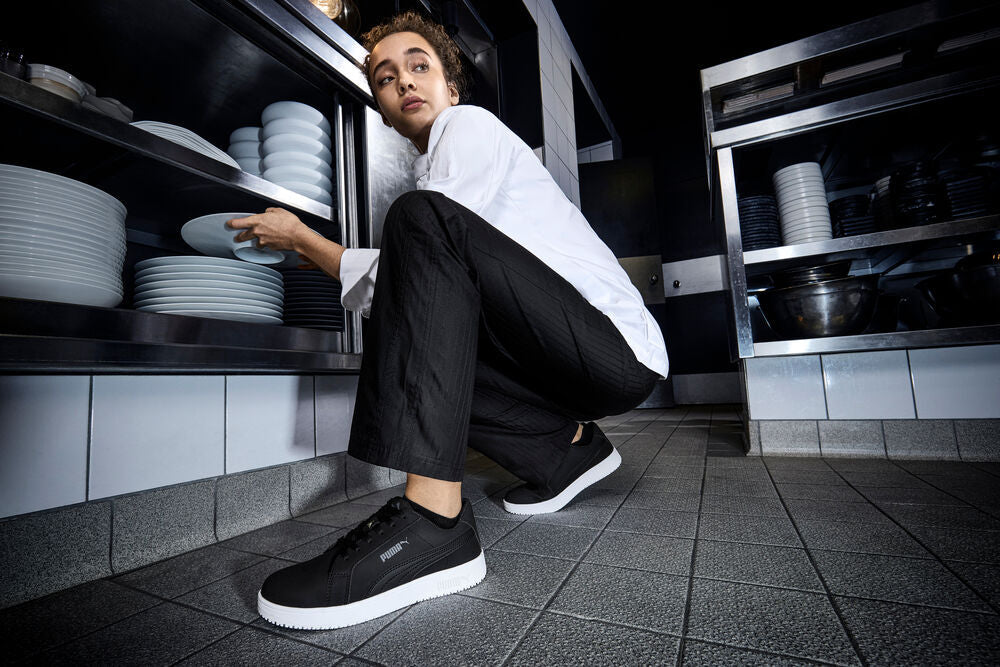
If you work as a chef, pastry chef, baker, or in restaurant service, your shoes are part of your daily equipment. Just like your chef jackets or chef trousers, they directly affect how you perform and how you feel at the end of a shift.
Why the Kitchen Is One of the Toughest Work Environments for Your Feet
A kitchen floor is unforgiving. You walk many kilometres per shift. You stand still for long periods. Floors are hard, often wet, sometimes greasy. Movements are fast and repetitive.
Wearing the wrong work shoes in this environment adds stress to your body every single day. It builds up slowly, and by the time you notice, the damage is often already done.
Medical Problems Caused by Poor Work Shoes
Cheap or unsuitable work shoes might save money in the short term, but they often lead to physical complaints. Common issues seen in hospitality professionals include:
- Foot pain and chronic fatigue in the feet
- Plantar fasciitis and heel pain
- Knee pain caused by poor shock absorption
- Lower back pain from incorrect posture
- Hip and joint complaints over time
- Increased risk of slipping and falling
These problems do not stay at work. They follow you home. They affect your recovery, your sleep, and eventually your ability to keep working long shifts.
Why People Invest in Personal Shoes but Not in Work Shoes
Many hospitality professionals think of work shoes as a uniform item, something basic that only needs to last a year. Personal shoes, on the other hand, are seen as an investment.
That logic does not hold up. You wear your work shoes far longer each week than your personal shoes. The kitchen is also far more demanding than a sidewalk or office floor.
Spending less on work shoes often means paying more later, either through medical costs, lost workdays, or reduced comfort during long shifts.
What Good Work Shoes for the Kitchen Should Offer
Quality work shoes for kitchens and restaurants focus on function, not fashion. At a minimum, they should offer:
- Slip-resistant soles for wet and greasy floors
- Proper cushioning to reduce impact on joints
- Support for long hours of standing and walking
- Breathable materials to reduce heat and moisture
- A stable fit that prevents foot fatigue
These features are not extras. They are basic requirements for anyone working professionally in hospitality.
Work Shoes as Part of Professional Chefs Clothing
Chefs clothing and catering clothing are about more than appearance. They are about safety, comfort, and endurance. Shoes belong in the same category as chef jackets, chef trousers, and aprons.
When your shoes fail, everything else becomes harder. Focus drops. Movements become cautious. At peak hours, that is not acceptable.
Quality Work Shoes at ChefsCotton
At ChefsCotton, work shoes are treated as professional equipment. The collection focuses on brands that are proven in real kitchen and restaurant environments.
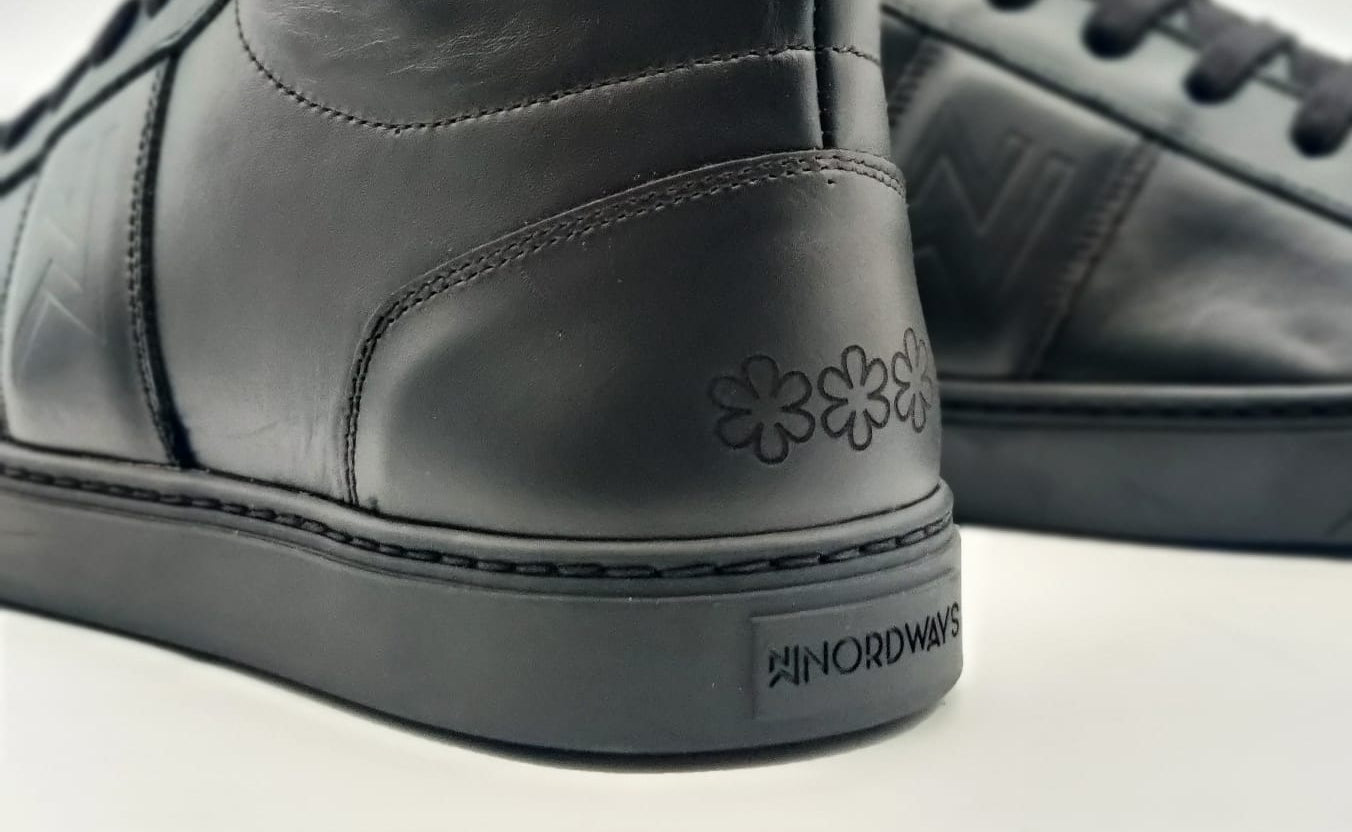
You will find a wide range from trusted names such as Puma, Shoes for Crews and Nordways. These brands design footwear specifically for hospitality professionals, not as an afterthought.
The focus is on slip resistance, long-term comfort, and durability during demanding shifts. No shortcuts.
Frequently Asked Questions About Work Shoes in the Kitchen
- How often should I replace my work shoes?
- In professional kitchens, most work shoes need replacement every 6 to 12 months, depending on usage and floor conditions.
- Are slip-resistant soles really necessary?
- Yes. Kitchens and restaurants have wet and greasy floors. Slip resistance reduces accidents and physical strain.
- Can regular sneakers be used in the kitchen?
- Regular sneakers usually lack slip resistance and proper support for long shifts on hard floors.
- Are expensive work shoes worth it?
- Higher-quality work shoes usually last longer and reduce physical complaints, which often makes them the better choice over time.
- Is it smart to have two pairs of work shoes?
- Yes. Rotating two pairs allows shoes to dry and recover between shifts, reduces foot fatigue, improves hygiene, and helps both pairs last longer.


Leave a comment
This site is protected by hCaptcha and the hCaptcha Privacy Policy and Terms of Service apply.